Progressive Driving Lessons: Register for Our Instructor-Led Driving Program Today!
Progressive driving lessons provide a structured approach to developing vehicle control skills. Enrolling in an expert-led class can greatly develop a student's abilities and self-assurance. The course is thoughtfully structured to encompass introductory and sophisticated skills, suiting learners of all backgrounds. Knowing what these courses involve can be incredibly valuable. There are a number of important elements that foster productive learning and exam preparation.
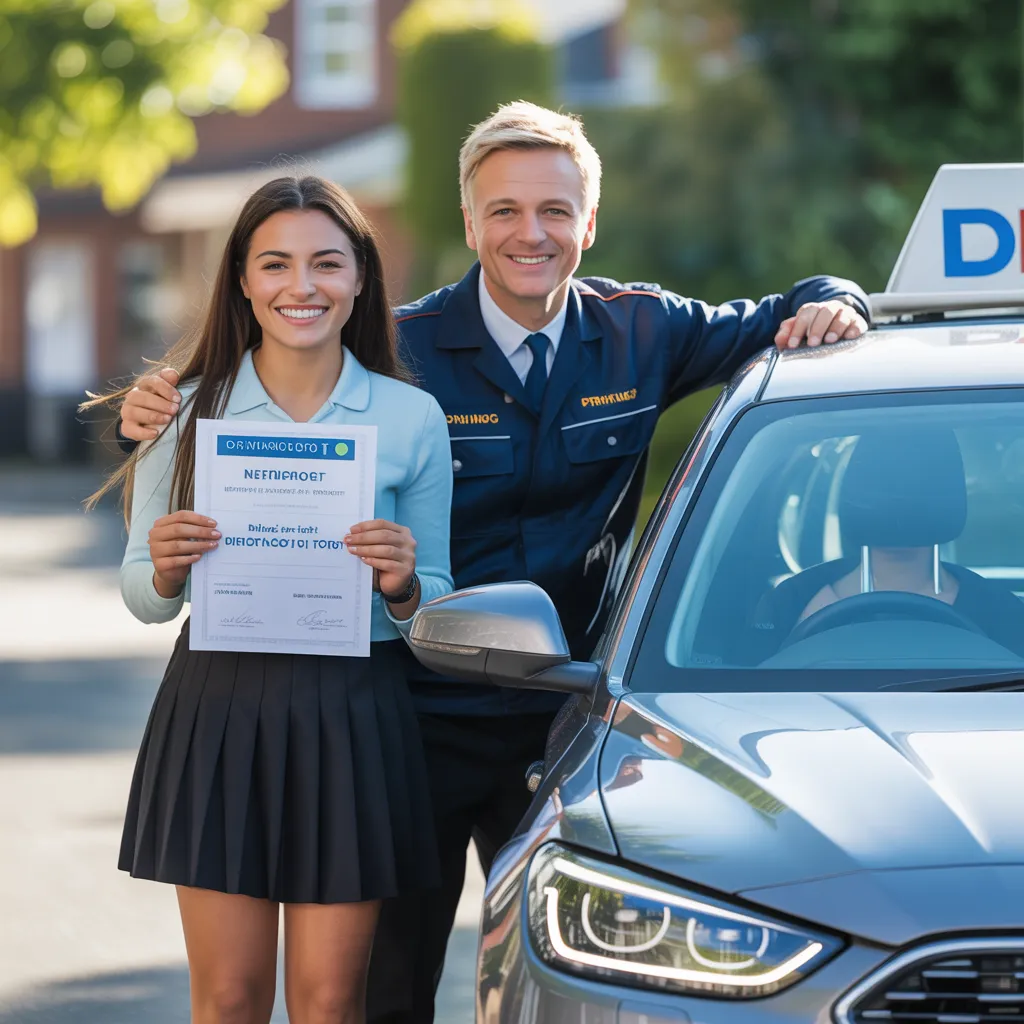
What to Expect in Your First Driving Class
As soon as a student starts their first driving course, they may experience a mix of enthusiasm and apprehension. The learning setting, usually shared with fellow participants, sets the stage for a meaningful experience. Driving educators typically open with introductions, outlining the course structure and safety procedures. Students can look forward to receiving instructional materials, including guides and reference sheets, which will serve as helpful resources throughout their learning journey.
The main concentration is largely on understanding vehicle controls, basic road signs, and key traffic regulations. Instructors frequently stress the significance of staying calm while driving. Pupils are prompted to ask queries, creating a positive learning environment. Following the classroom instruction, numerous courses feature real-world practice, where participants gain experience with the car in a safe environment. This combination of theory and practice prepares students for the journey ahead, fostering Driving Lesson self-confidence as they embark on the road to becoming safe, skilled drivers.
Driver Training Curriculum: Beginner to Advanced
A complete driving course covers a advancement from fundamental competencies to advanced techniques, so that students acquire a firm grounding before addressing more challenging driving scenarios. In the beginning, students work on core vehicle management, including steering, deceleration, and throttle control. They are introduced to key traffic laws, road markings, and safe driving practices, giving a comprehensive understanding of the highway code.
Once students show proficiency in these basics, the training evolves to greater levels of skill. This covers navigating different road surfaces, managing adverse weather conditions, and excelling in defensive driving methods. Additionally, participants are exposed to motorway navigation and challenging junctions, strengthening their capability to think swiftly when faced with difficult conditions.
Across the course, educators stress the significance of environmental awareness and safe driving practices. This organized methodology prepares students not only to complete their driving assessments but also to develop into skilled and assured drivers in varied conditions.
Developing Confidence as a New Driver
New drivers often face challenges in building their confidence behind the wheel. The initial experience of driving can be overwhelming, with numerous tasks to manage and a constant need for focus. To alleviate anxiety, new drivers can benefit from practical, gradual exposure to various driving situations. Starting in low-traffic areas allows them to develop basic skills without the pressure of more complex environments.
Regular practice is essential; dedicating more hours to driving allows them to develop greater familiarity and comfort with their vehicle and surroundings. Additionally, enrolling in expert-led driving classes offers structured learning and professional guidance, fostering a sense of security. Constructive feedback from teachers and supportive classmates can additionally strengthen a new driver's sense of self-assurance. As abilities develop with time, novice drivers will discover that their assurance increases, turning driving from a demanding activity into a more rewarding and freeing endeavor.
Preparing for Your Driving Test
How can a new driver best prepare for their driving test? Being well-prepared is key to passing. First, familiarizing oneself with the vehicle is important. New drivers must ensure they are comfortable operating all vehicle controls, such as lights, wipers, and signals. Next, practicing maneuvers such as parallel parking, three-point turns, and lane changes will enhance their skill set.
Moreover, reviewing the local traffic laws and rules can offer useful information into what the examiner will expect. Booking a practice test with a qualified driving instructor can mirror the real driving test environment, which can help ease nerves.
Lastly, confirming all essential documents are in order, such as the provisional permit and proof of identity, is critical. By following these steps, new drivers can tackle their driving test with self-assurance, improving their chances of clearing the test on their first go.
Frequently Asked Questions About Driving Lessons
What should prospective drivers know before starting lessons? Numerous people share similar questions about the driving lesson process. To begin with, many students inquire about the age requirements; most areas stipulate that students must be at least 16 years of age to receive a learner's permit. Another widely asked question involves the duration of each lesson; as a rule, each session is around one to two hours long, varying according to the student's skills and individual needs.
Potential driving students regularly seek information regarding the costs associated with their lessons. Costs can differ significantly based on the area and the instructor's expertise. In addition, many question whether they must bring their own vehicle; most driving schools provide cars outfitted with dual controls for safe instruction.
Additionally, learners often inquire about the training program. Complete classes usually cover fundamental driving techniques, traffic regulations, and safety practices, ensuring that learners are well-prepared for their driving exam as well as everyday driving scenarios.
What Makes Expert-Led Driving Lessons a Great Choice?
What makes expert-led driving lessons better than informal instruction? The response can be found in the quality and efficiency of the instruction delivered. Qualified instructors hold comprehensive knowledge of driving skills, road laws, and safety guidelines, making certain that learners are provided with a thorough and detailed education. They follow a structured program that enhances skills in a gradual manner, allowing students to better understand challenging concepts.
In addition, professionally taught classes often incorporate real-life circumstances, enabling students to deal with a range of road conditions with skill. Teachers can deliver customized input and corrections, which are tremendously beneficial for cultivating proper driving behaviors. Moreover, their professional knowledge allows them to customize instruction to specific learning needs, improving skill mastery and information retention.
Ultimately, expert instructors typically stay updated with current regulations and developments in driver training, guaranteeing that their instruction aligns with contemporary standards. This level of dedication makes professionally guided driving lessons an excellent option for people seeking to master safe and effective driving skills.

Popular Questions We Receive
What Age Am I Able to Start Taking Driving Lessons?
Generally, individuals can initiate taking driving lessons at the age of 16, while some locations allow learners to begin as early as 15. It's necessary to verify regional rules regarding minimum age requirements for driving tuition.
Can You Take Driving Lessons on Weekends?
Weekend driving lessons are commonly offered, accommodating a range of schedules. Many driving schools recognize the demand for weekend sessions, providing students with the opportunity to learn at their own pace without clashing with weekday duties or responsibilities.
Is It Possible to Use My Own Vehicle for Driving Lessons?
Learners are often permitted to utilize their own vehicles for learning to drive, so long as the vehicle fulfills safety criteria and is in proper working order. Teachers commonly recommend this approach to provide a sense of comfort and familiarity during the learning process.
What Happens if I Miss a Class?
If a student misses a class, they might need to arrange a makeup lesson or reschedule. Attendance policies vary, so it's advisable for the student to check with the instructor concerning any applicable penalties or alternatives.
Are Lessons Available for Both Automatic and Manual Cars?
Absolutely, the curriculum offers training for both automatic and manual cars. Learners can pick their desired transmission type, ensuring they receive tailored instruction that suits their individual driving preferences and needs for skill development.